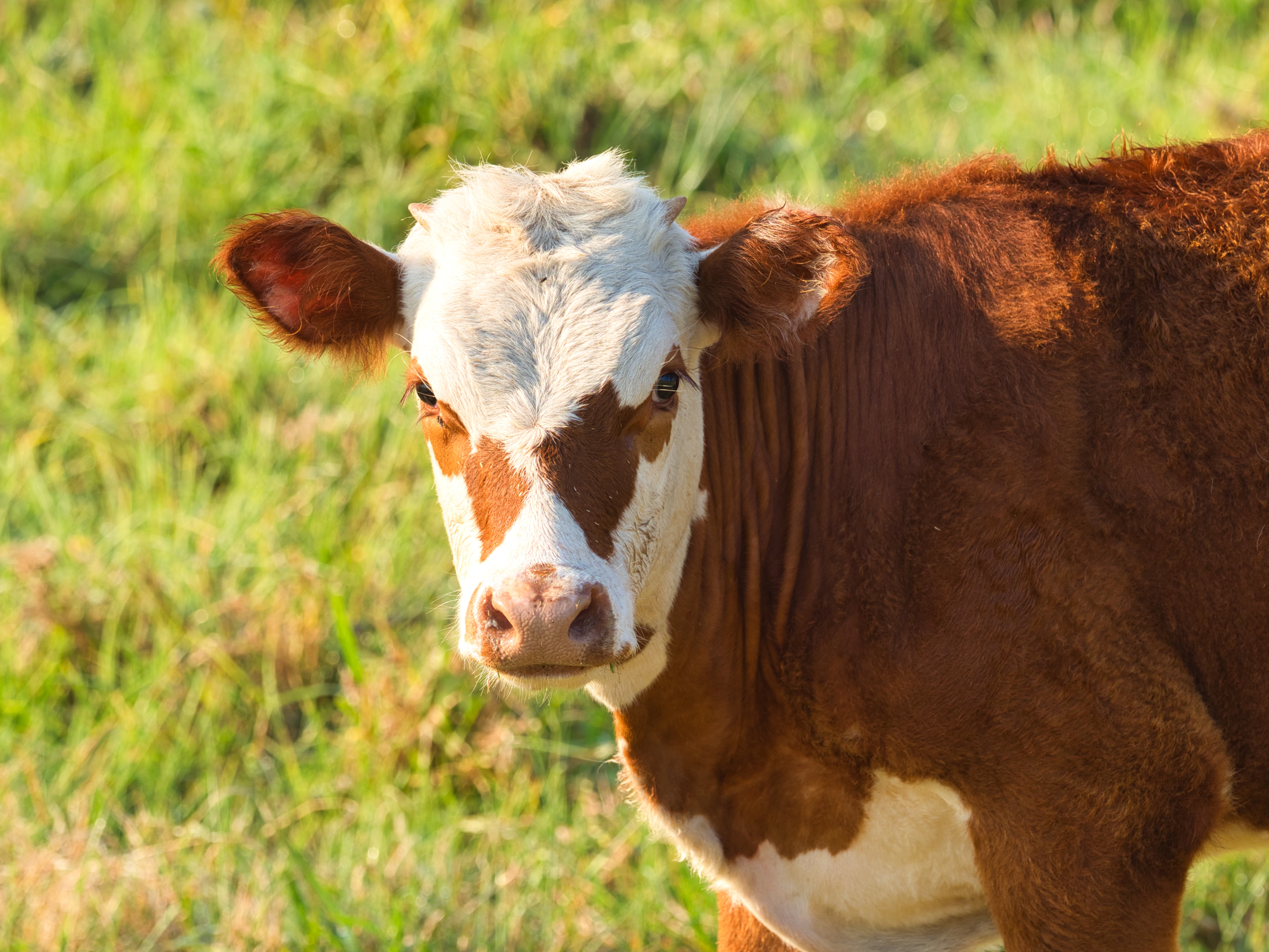
Calf mixing and feeding rates
Mixing Rates

Calf Mixing & Feeding Rates

The rate on the bag is a starting point, not the only option.

Calves

Choose The Rate That Fits Your System

Depending on your breed, system and goals there are a range of mixing rates worth considering. The guidance below covers the most common approaches used by New Zealand farmers.

These are guidelines only. Every calf is different, every farm is different. If you are unsure which rate suits your system, call us on 0800 STOCKFEED — we'd rather you asked than guessed.

All rates assume clean warm water at 38–40°C.

Please note. Feeding rates on bags and product labels are guidelines developed at the time of printing and may vary from the rates shown on this page. We continually review and refine our recommendations based on the latest knowledge and feedback — this page reflects our most current guidance.

If you have been feeding at the rates shown on your bag or product label and your animals are performing well, there is no need to change. Keep doing what is working. If you are starting out or reviewing your feeding programme, the rates on this page are the ones we recommend today.

Why do the rates differ between systems?

A question we get regularly is why the feeding rates differ between conventional twice-a-day (TAD), once-a-day (OAD), and ad lib systems. The simple answer is that each system works differently, so the mix rate, feed volume, calf age and total daily intake all need to be considered together.

Conventional twice-a-day feeding

Under a conventional TAD system, calves are fed twice daily, usually at lower mix rates and more moderate volumes per feed. This suits younger calves and helps provide steady intake while their digestive system is still developing.

Once-a-day feeding

OAD systems use a larger single feed, so the volume and concentration are higher than a conventional TAD feed. This is why calves should be well established before moving onto OAD.

In our OAD guide, calves first follow the TAD feeding programme before moving onto OAD from around 15 days of age. At this stage, calves should be stronger, drinking well, and better able to handle a larger single feed.

The OAD rates are designed to maintain strong daily nutrition while reducing feeding frequency.

Ad lib feeding

Ad lib systems are different again. Calves drink smaller amounts more frequently throughout the day, rather than receiving one or two larger feeds. Because intake is spread out, the calf's digestive system is not dealing with the same large single feed.

The simple summary

The rates differ because calves consume milk differently under each system. The key is not just mix rate alone, but the combination of mix rate, feed volume, feeding frequency, calf age, calf size and overall daily intake.

Milligans feeding guides are intended as practical starting points. Actual requirements may vary depending on breed, environment, growth targets, calf health and management system.

Still not sure which system and rate suits your operation? Call us on 0800 STOCKFEED.

Mixing Instructions

1

Measure Water

Measure half the volume of warm water required.

2

Add Powder

Add the required amount of powder and mix thoroughly.

3

Top Up

Top up with water to the full feed volume required.

4

Check Temperature

Check milk is 38–40°C before feeding.

Rate Overview — Choosing Your Rate

125g/L — Traditional

The guideline rate shown on Milligans product labels and the most widely used rate across New Zealand.

Best for: Most dairy and beef rearing systems. A reliable starting point if you're unsure where to begin.

One 20kg bag makes 160 litres.

135g/L — Growth

Provides more nutrition per litre than Traditional while remaining practical and economical.

Best for: Farmers wanting to improve growth rates without significantly increasing feed costs.

One 20kg bag makes approximately 148 litres.

150g/L — Performance

Delivers increased nutrition per feed and supports strong early growth.

Best for: Young calves, replacement heifers, and operations targeting higher growth rates.

One 20kg bag makes 133 litres.

Once a Day — 200g/L

Designed for calves transitioning onto a once-a-day feeding system from approximately two weeks of age.

Best for: Farms where labour or management systems make twice-daily feeding impractical.

One 20kg bag makes 100 litres.

Why Twice A Day Is Recommended

Twice-daily feeding is our recommendation, particularly in the first three weeks of a calf's life. Research and practical experience consistently show better outcomes for calf health and growth with twice-daily feeding during this critical early period.

A calf fed twice daily receives smaller, more frequent meals, closer to the way a calf would naturally feed from its mother. This is easier on the digestive system, reduces the risk of digestive upset, and supports steadier growth.

Once-a-day feeding is a practical reality on many New Zealand farms, and we understand that. But if you are running OAD, start it no earlier than two weeks of age, ensure calves have unrestricted access to quality dry feed and fresh water, and monitor growth closely. A calf that falls behind on OAD in the first weeks rarely catches up.

Twice A Day Feeding Tables

Twice A Day — 125g/L (Traditional)

One 20kg bag makes 160 litres.

AgeApprox. weightVolume per feedGrams per feedGrams per day
0–4 daysColostrum or ExcelPlus Colostrum
5–10 days30kg2L250g500g
11–21 days40kg2.5L313g625g
22–32 days50kg3L375g750g
33 days to weaning60kg3.5L438g875g

Approximate powder usage: 33kg of powder per calf (approximately 1.7 x 20kg bags per calf). Actual usage will vary depending on feeding rates, weaning age, calf size and health.

Twice A Day — 135g/L (Growth)

One 20kg bag makes 148 litres.

AgeApprox. weightVolume per feedGrams per feedGrams per day
0–4 daysColostrum or ExcelPlus Colostrum
5–10 days30kg2L270g540g
11–21 days40kg2.5L338g675g
22–32 days50kg3L405g810g
33 days to weaning60kg3.5L473g945g

Approximate powder usage: 36kg of powder per calf (approximately 1.8 x 20kg bags per calf). Actual usage will vary.

Twice A Day — 150g/L (Performance)

One 20kg bag makes 133 litres.

AgeApprox. weightVolume per feedGrams per feedGrams per day
0–4 daysColostrum or ExcelPlus Colostrum
5–10 days30kg2L300g600g
11–21 days40kg2.5L375g750g
22–32 days50kg3L450g900g
33 days to weaning60kg3.5L525g1050g

Approximate powder usage: 40kg of powder per calf (approximately 2 x 20kg bags per calf). Actual usage will vary.

Once a Day — Current and New Recommended Rate

Two OAD options are shown below. The current Milligans CMRs label shows the 250g/L rate. From the 2025/26 season, Milligans recommends the updated 200g/L system with a two-week twice-a-day foundation.

We have moved to a 200g/L once-a-day rate with higher feed volumes to give calves a better balance of milk volume and powder intake. This avoids relying on an overly concentrated mix while still delivering strong daily nutrition. It also aligns better with calves that have had a solid two-week twice-a-day foundation before moving onto once-a-day feeding.

Once A Day — 250g/L (Current OAD System)

One 20kg bag makes 80 litres.

AgeApprox. weightVolume per feedGrams per feedGrams per day
0–4 daysColostrum or ExcelPlus Colostrum
5–10 daysFollow twice a day guide
11–14 days35kg2L500g500g
15–21 days40kg2.5L625g625g
22 days to weaning50kg3L750g750g

Approximate powder usage: 30kg of powder per calf (approximately 1.5 x 20kg bags per calf). Actual usage will vary.

Once A Day — 200g/L From Day 15 (New recommended rate June 2026)

Milligans new recommended OAD rate. Follow twice-a-day feeding for the first two weeks (days 5–14), then switch to once-a-day at 200g/L from day 15. One 20kg bag makes 100 litres.

AgeApprox. weightVolume per feedGrams per feedGrams per day
0–4 daysColostrum or ExcelPlus Colostrum
5–14 daysFollow Twice A Day feeding guide above
15–21 days40kg3.5L700g700g
22–32 days50kg4.5L900g900g
33 days to weaning60kg5L1000g1000g

Approximate powder usage: 37kg of powder per calf (approximately 1.9 x 20kg bags per calf). Actual usage will vary.

Ad Lib Feeding

Ad lib feeding allows calves to drink freely rather than receiving fixed measured amounts, mimicking what a calf would naturally consume from its mother. Calves on a well-managed ad lib system typically consume between 11 and 15 litres per day on average across the first four weeks.

Mix rate for ad lib: 150–160g/L. At lower concentrations like 125g/L, calves may not meet their daily energy requirements even with ad lib access. A concentration of 150–160g/L ensures adequate nutrition is delivered across varying individual intake levels.

One 20kg bag makes approximately 125–133 litres at this concentration. Plan your stock accordingly — ad lib feeding increases total CMR consumption by up to 80% compared to conventional restricted feeding.

Setup

Use 60–200L drums fitted with 4–6 teats per drum, with mobs of approximately 20 calves per drum. Fill drums with freshly mixed CMR once or twice daily.

Hygiene

Never add fresh milk to old or stale milk. Empty and clean first. Clean all equipment daily and drums every 2–3 days.

Rumen Development

Ensure every new calf receives adequate colostrum before transferring to the ad lib pen. Offer meal or pellets early.

Adding citric acid to the milk will reduce bacterial growth and extend the life of the milk, especially in hot weather. Add 55g citric acid per 10 litres of cold milk or milk replacer. Dissolve the citric acid in water before adding to the milk.

Bacterial build-up — the primary management risk in ad lib systems. Warm milk sitting in drums provides ideal conditions for bacterial growth — the same bacteria responsible for abomasal bloat and scours. Strict hygiene is non-negotiable in an ad lib system. Clean equipment at every refill, use citric acid in warm weather, and never top up old milk with fresh. A poorly managed ad lib system carries significantly higher health risk than conventional feeding.

Weaning from ad lib

Calves are generally on ad lib for approximately 35 days. Wean gradually using one of two methods:

  • Method 1 — Water dilution: Gradually dilute milk with water, increasing the water proportion by 10% of total volume at each feeding until calves receive 100% water by day 42.
  • Method 2 — Reduce feeding window: Progressively reduce the daily period during which milk is available over 10 days until calves are fully weaned.

Calves should be eating 1.5–2kg of starter feed per day before milk is fully removed. Weaned correctly, the higher weight advantage gained through ad lib feeding is maintained through to weaning and beyond.

Cost consideration

Ad lib feeding increases total milk replacer consumption significantly compared to conventional restricted feeding. The higher cost is generally offset by reduced meal/pellet consumption and higher weaning weights — but factor this into your planning before committing to the system.

Approximate powder usage (ad lib, 35 days): 58–73kg per calf — budget approximately 3–4 x 20kg bags per calf. Intake builds from around 3–4L per day in week one to an average of 11–15L per day by week four. This is consistent with published data showing ad lib consumption up to 80% higher than conventional restricted feeding. Actual usage will vary.

References — ad lib feeding

The ad lib feeding information on this page draws on research and sources including Johe, T. (2018), Soberon, F. and Van Amburgh, M.E. (2017), Geiger, A.J. et al. (2016), Jasper, J. and Weary, D.M., multiple studies on restrictive vs ad libitum feeding, Dairy Global (2021), Calf Note 194, and PubMed / NCBI (2017).